

Lakkas Lab
Unit of complex pathophysiology of the heart and vessels
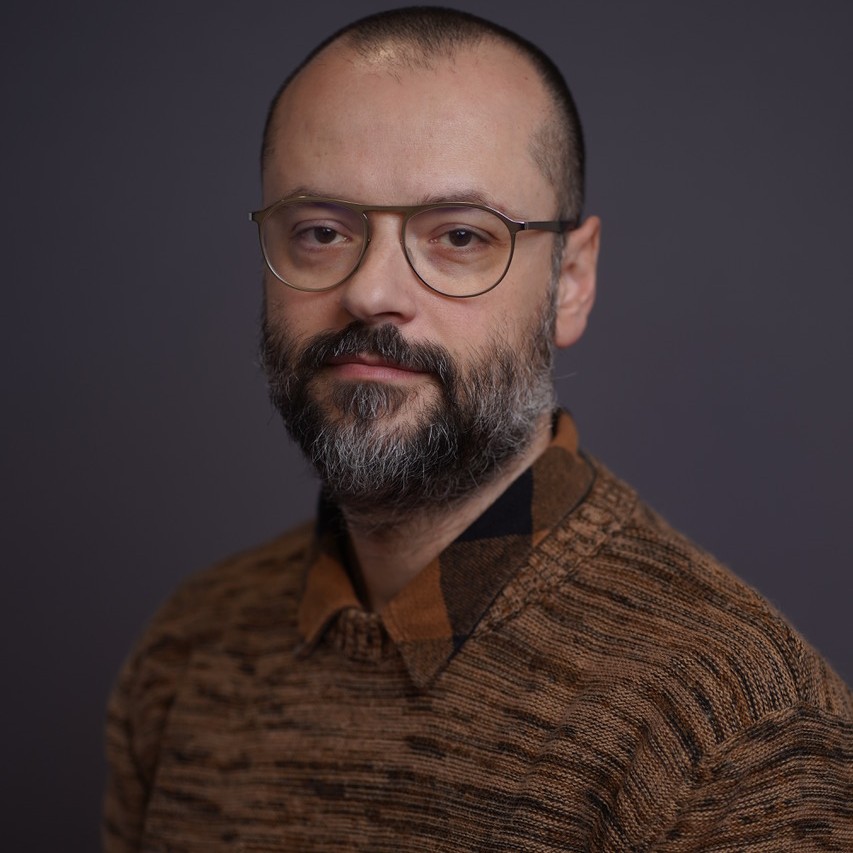
Lampros Lakkas, MD, PhD, FESC
Assistant Professor of Physiology
Dr. Lampros Lakkas is an Assistant Professor of Physiology at the University of Ioannina, School of Health Sciences, and a board-certified Cardiologist. His career is defined by a unique synergy between clinical excellence and academic rigor, focusing on the translation of fundamental physiological principles into clinical diagnostics.
As a Fellow of the European Society of Cardiology (FESC) and an EACVI-certified expert in advanced echocardiography, Dr. Lakkas bridges the gap between bedside patient care and the intricate study of cardiovascular mechanics.
Academic Foundation and Expertise
Dr. Lakkas earned his Medical Degree and PhD from the University of Ioannina. His doctoral research, titled “Coronary Flow Reserve and Left Ventricular Diastolic Function in Patients with Chronic Kidney Disease,” established his expertise in the intersection of hemodynamics and systemic disease.
He further advanced his research through a Postdoctoral Fellowship focusing on heart failure with preserved ejection fraction (HFpEF).
Research Interests: Cardiovascular Physiology
Dr. Lakkas’s research program is dedicated to unraveling the complex pathophysiology of the heart and vessels through a translational approach that spans from molecular mechanisms to clinical application.
Translational Methodology
A cornerstone of his current research is the use of diverse experimental models to study cardiovascular phenomena. This includes in vivo studies using Zebrafish, an essential model for cardiovascular development and regeneration, as well as in vitro experimental setups to analyze cellular responses and molecular pathways under controlled physiological conditions.
Left Ventricular Mechanics & Hemodynamics
Investigating the nuances of myocardial contraction and relaxation. He utilizes advanced strain imaging to detect subclinical dysfunction, aiming to redefine “normal” physiology versus early-stage pathology.
Coronary Microcirculation
A significant portion of his work involves studying Coronary Flow Reserve (CFR) and how microvascular dysfunction contributes to myocardial ischemia.
Cardio-Renal Interplay
Given his extensive work with Chronic Kidney Disease (CKD) patients, Dr. Lakkas investigates the physiological adaptations of the heart to renal failure and the subsequent remodeling following renal transplantation.
Vascular Physiology and Endothelial Function
His research extends to arterial stiffness, endothelial health, and the impact of inflammation on vascular aging, utilizing both clinical data and experimental models.
Scholarly Impact and Leadership
With over 80 publications in peer-reviewed international journals, Dr. Lakkas is a recognized voice in the field. He has been honored with prestigious awards, including the “Alberto Ferrari” Poster Prize from the European Society of Hypertension.
Beyond research, he is a dedicated educator, supervising PhD candidates and medical students in Physiology, ensuring that the next generation of clinicians possesses a deep understanding of the functional mechanisms of the human body.
Lab Members
Discover the researchers of the Laboratory
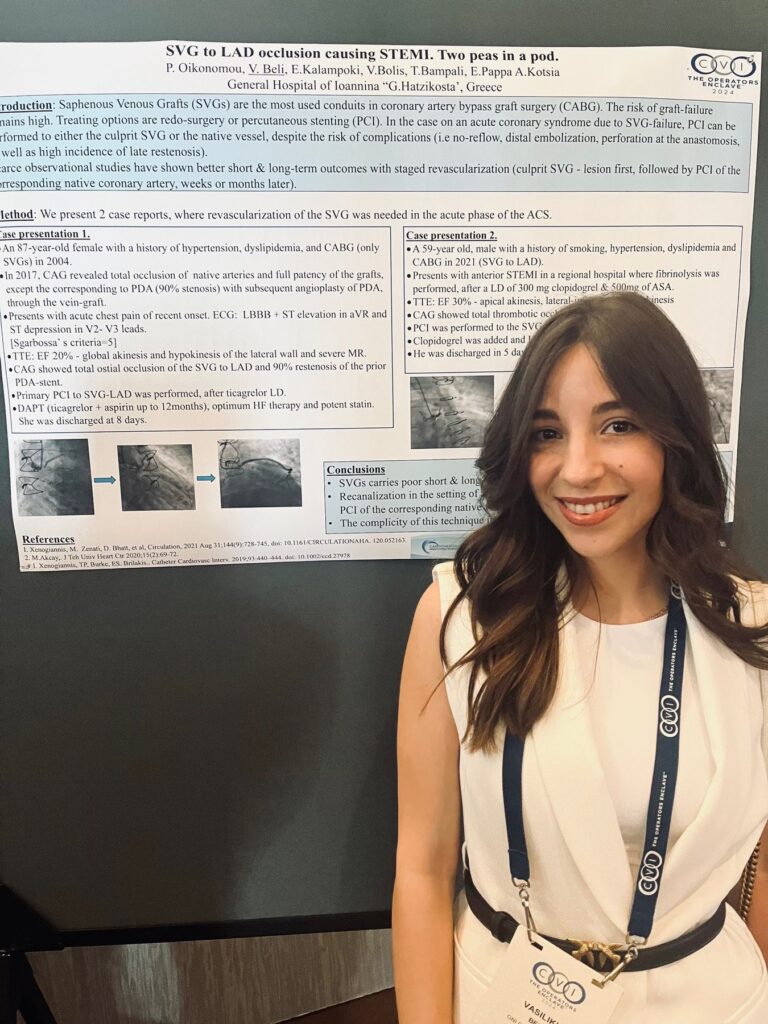
V Belli
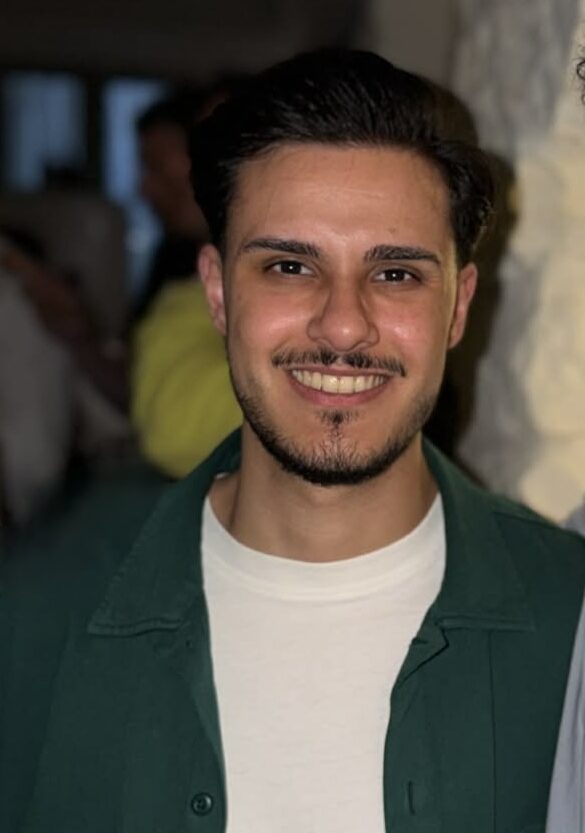
Aris Dimopoulos
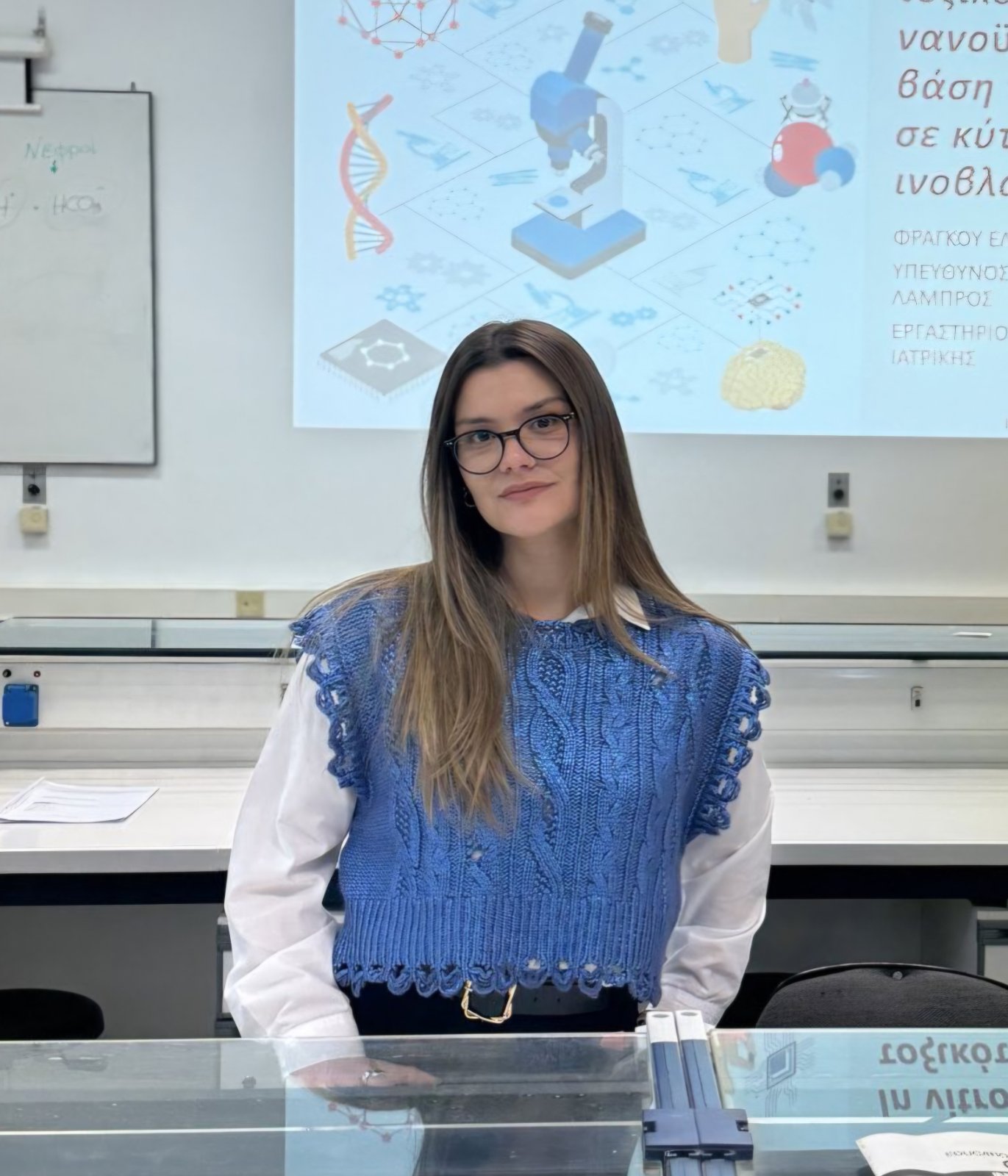
Eleni Fragkou

E Kalampoki
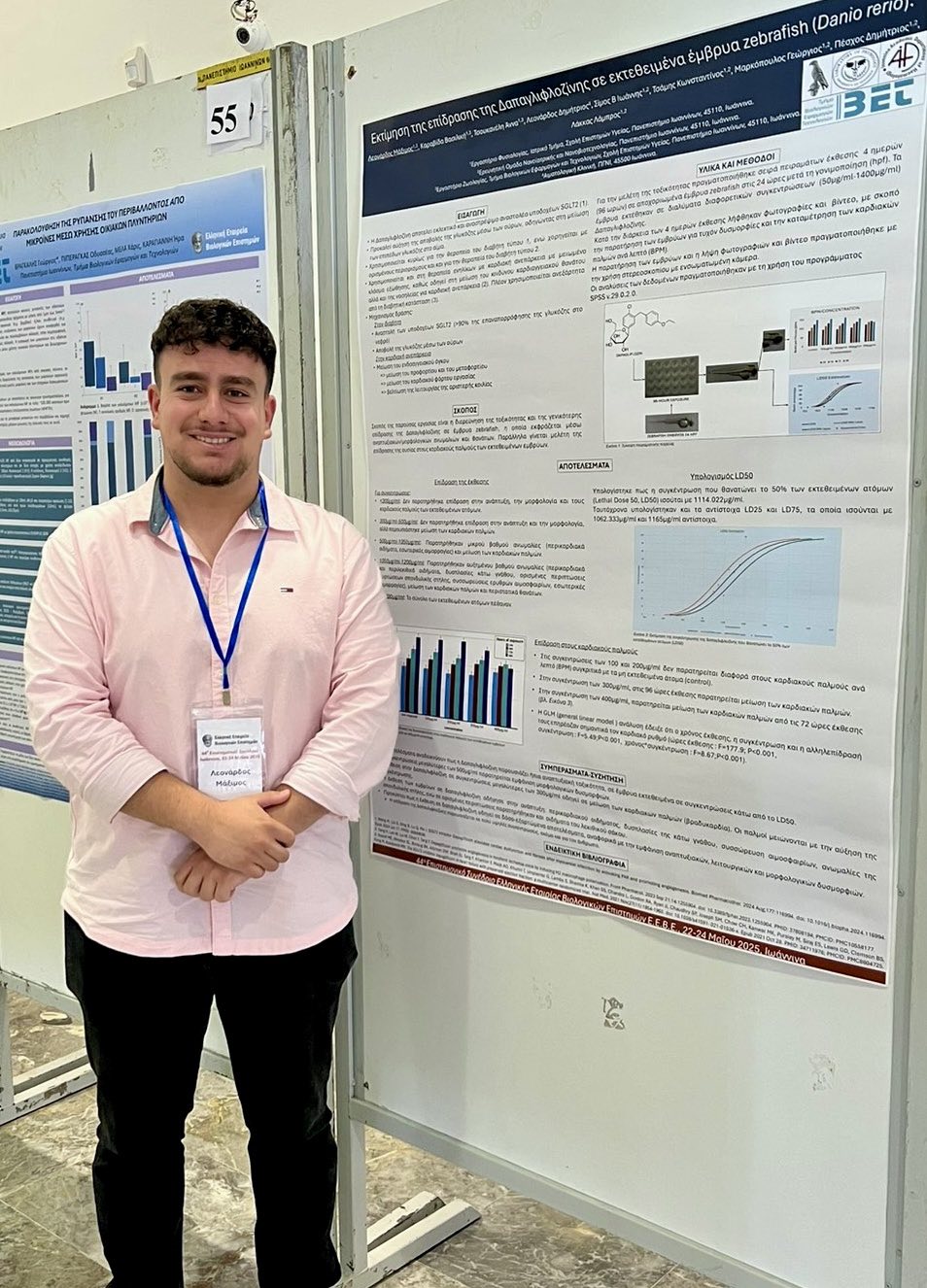
M Leonardos
Lampros Lakkas, MD, PhD, FESC Assistant Professor of Physiology
Dr. Lampros Lakkas is an Assistant Professor of Physiology at the University of Ioannina, School of Health Sciences, and a board-certified Cardiologist. His career is defined by a unique synergy between clinical excellence and academic rigor, focusing on the translation of fundamental physiological principles into clinical diagnostics. As a Fellow of the European Society of Cardiology (FESC) and an EACVI-certified expert in advanced echocardiography, Dr. Lakkas bridges the gap between bedside patient care and the intricate study of cardiovascular mechanics.
Academic Foundation and Expertise
Dr. Lakkas earned his Medical Degree and PhD from the University of Ioannina. His doctoral research, titled “Coronary Flow Reserve and Left Ventricular Diastolic Function in Patients with Chronic Kidney Disease,” established his expertise in the intersection of hemodynamics and systemic disease. He further advanced his research through a Postdoctoral Fellowship focusing on heart failure with preserved ejection fraction (HFpEF).
Research Interests: Cardiovascular Physiology
Research Interests
Dr. Lakkas’s research program is dedicated to unraveling the complex pathophysiology of the heart and vessels through a translational approach that spans from molecular mechanisms to clinical application.
His primary areas of interest include:
• Translational Methodology (In Vivo & In Vitro): A cornerstone of his current research is the use of diverse experimental models to study cardiovascular phenomena. This includes in vivo studies using Zebrafish, an essential model for cardiovascular development and regeneration, as well as in vitro experimental setups to analyze cellular responses and molecular pathways under controlled physiological conditions.
• Left Ventricular Mechanics & Hemodynamics: Investigating the nuances of myocardial contraction and relaxation. He utilizes advanced strain imaging to detect subclinical dysfunction, aiming to redefine “normal” physiology versus early-stage pathology.
• Coronary Microcirculation: A significant portion of his work involves studying Coronary Flow Reserve (CFR) and how microvascular dysfunction contributes to myocardial ischemia.
• Cardio-Renal Interplay: Given his extensive work with Chronic Kidney Disease (CKD) patients, Dr. Lakkas investigates the physiological adaptations of the heart to renal failure and the subsequent remodeling following renal transplantation.
• Vascular Physiology and Endothelial Function: His research extends to arterial stiffness, endothelial health, and the impact of inflammation on vascular aging, utilizing both clinical data and experimental models.
Scholarly Impact and Leadership
With over 80 publications in peer-reviewed international journals, Dr. Lakkas is a recognized voice in the field. He has been honored with prestigious awards, including the “Alberto Ferrari” Poster Prize from the European Society of Hypertension.
Beyond research, he is a dedicated educator, supervising PhD candidates and medical students in Physiology, ensuring that the next generation of clinicians possesses a deep understanding of the functional mechanisms of the human body.
Lab members
Discover the researchers of the Laboratory
V Belli
Aris Dimopoulos
Eleni Fragkou
E Kalampoki