


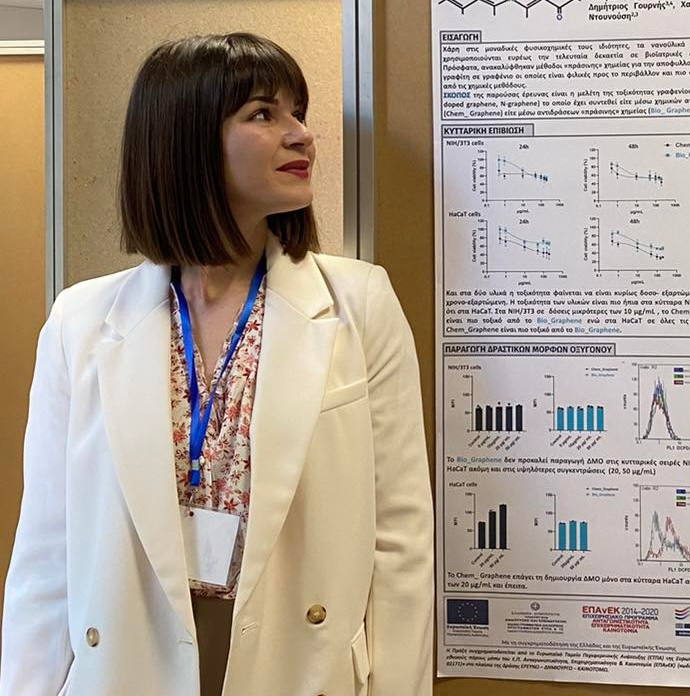
Eirini Papanikolaou
Postdoctoral
Dr. Eirini Papanikolaou is a Postdoctoral Researcher at the Laboratory of Physiology of the University of Ioannina. She holds a B.Sc. in Biological Applications and Technologies and an M.Sc. in Basic Biomedical Sciences. She completed her Ph.D. in 2024, focusing on nanomaterial- based platforms for glucose monitoring and hypoglycemic drug delivery. Her postdoctoral research builds on this work by exploring innovative transdermal delivery systems for the SGLT2 inhibitor dapagliflozin using biocompatible nanomaterials. She has strong experience in in vitro and in vivo models and has contributed to several peer- reviewed publications as well as national and international research projects.
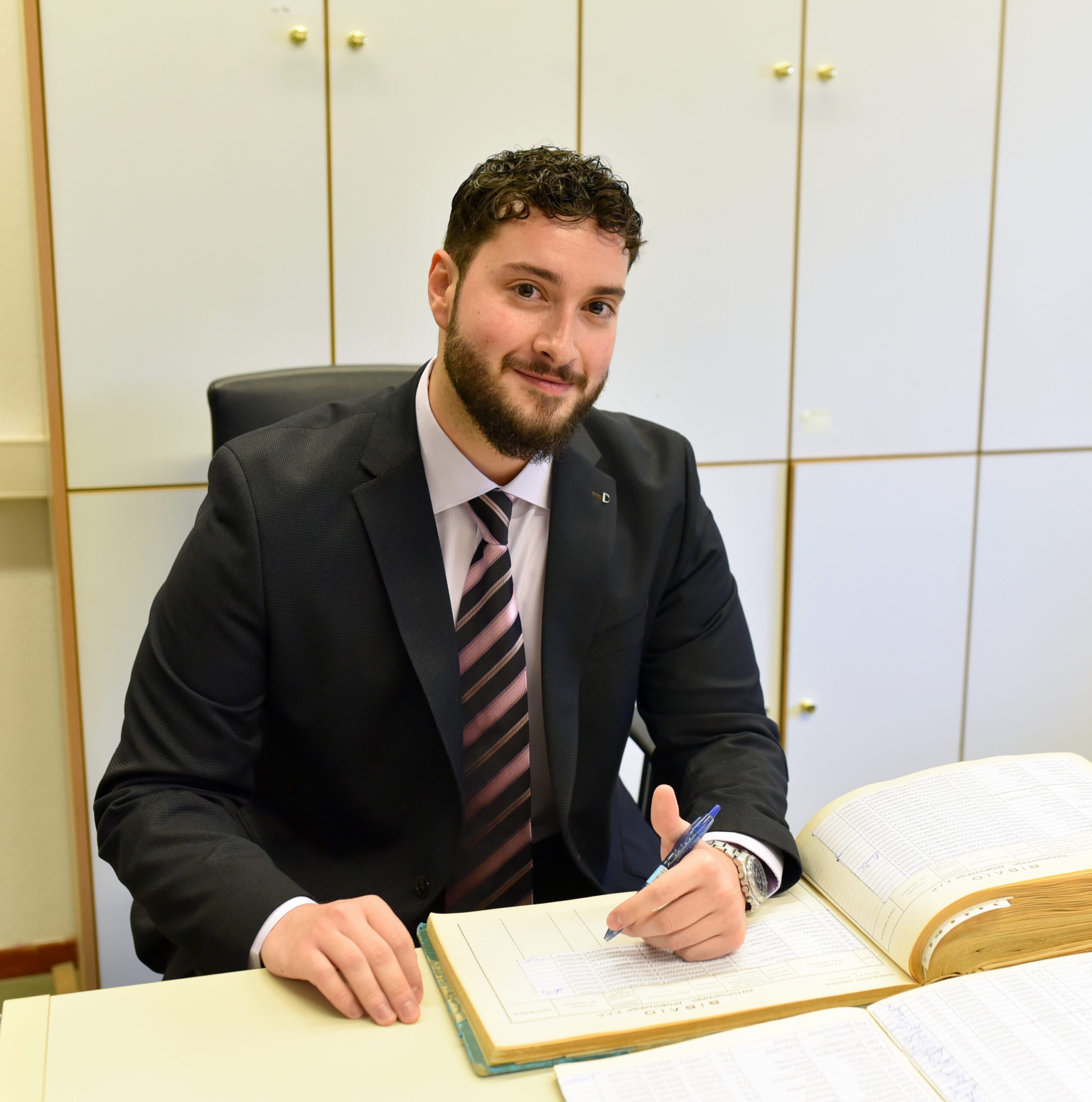
Pavlos Cristodoulou
PhD student
Pavlos Christodoulou graduated from the University of Ioannina Medical School in 2023 and has been a member of the Simos Lab since July 2024. He is currently a resident in Urology, combining clinical training with research in urological oncology. His research focuses on bladder cancer, with emphasis on the identification and clinical relevance of prognostic biomarkers in papillary bladder lesions. His work investigates tumor-associated macrophages (TAMs), lymphocyte and monocyte subsets expressing CD16/CD56 and CD14, and systemic inflammatory indices including the neutrophil-to-lymphocyte ratio (NLR), platelet-to-lymphocyte ratio (PLR), and lymphocyte-to-monocyte ratio (LMR). Flow cytometry of peripheral blood markers is employed as a core methodological approach, with the aim of integrating these parameters into comprehensive prognostic models for improved risk stratification in bladder cancer.

Agni Klonari
PhD student
Agni Klonari is a research specialist who graduated from the University of Ioannina in 2022 with a degree in Biology. She holds an M.Sc. in Basic Biomedical Sciences, during which she conducted inflammation-focused research examining the anti-inflammatory properties of dapagliflozin encapsulated in chitosan nanoparticles for intestinal applications. In 2025, she began her Ph.D. in the Simos Lab, where she contributes to ongoing research on novel cancer therapeutics for colorectal cancer, specifically investigating the targeting of the NLRP3 inflammasome using SGLT2 inhibitors.

Chrysoula Giourga
PhD student
Chrysoula Giourga holds a Bachelor’s degree in Nutrition and Dietetics from the International Hellenic University (IHU) and an MSc in Diabetes Mellitus Care. Her MSc thesis focused on the correlation between vitamin B12 levels and cognitive function in patients with type 2 diabetes mellitus (T2DM) in a population from Epirus. In 2026, she began her Ph.D. in the Simos Lab, where she is involved in ongoing research on the evaluation of adherence to a MIND-based dietary intervention and its impact on individuals with cognitive impairment.
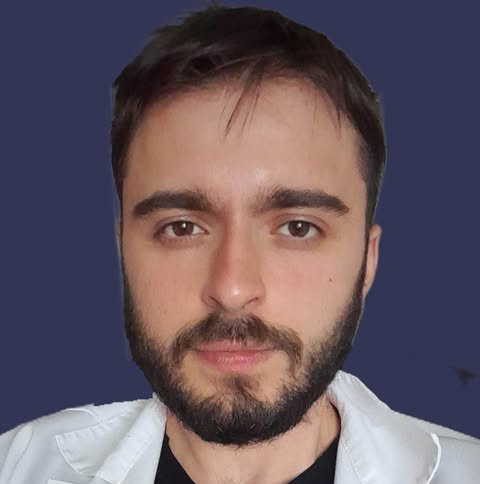
Napolon Pazi
PhD student
Napolon holds a degree in Biology with research training in general physiology, molecular biology, and neurobiology. During his M.Sc. in Biomedical Sciences, he studied the development and differentiation of ependymal cells in the mammalian brain, focusing on the role of GemC1, a transcription regulator, in radial glial cell commitment to the ependymal lineage, using CRISPR/Cas9-mediated genome editing, in vivo and in vitro models, and immunofluorescence approaches. He is currently pursuing a Ph.D. while simultaneously training as an undergraduate medical student. His doctoral research focuses on the role of the NLRP3, NLRP6, and particularly NLRP10 inflammasomes in inflammatory bowel disease (IBD), aiming to identify their potential as diagnostic and prognostic biomarkers through integrated molecular, immunological, and transcriptomic analyses of human colonic biopsies, supporting the development of personalized therapeutic strategies.

Kleopatra Rafti
PhD student
Kleopatra Rafti is a research specialist who graduated from the University of Ioannina in 2019 with a degree in Materials Science and Engineering. She holds an M.Sc. in Basic Biomedical Sciences from the Department of Medicine, completed within the Pharmacology Laboratory, during which she conducted research focusing on the cytotoxicity of oxindole-based anti-angiogenic molecules derived from the sunitinib prodrug SAP, specifically SAP-S-S-Py and SAP·HCl, aiming to achieve a more effective and targeted action against colorectal cancer cells and tumors that overexpress various tyrosine kinase receptors. In 2025, she began her Ph.D. in Physiology in the Simos Lab, where she contributes to ongoing research on novel therapeutics for colorectal cancer, with a specific focus on the nanocarrier-based targeted delivery of SGLT2 inhibitors and their metabolic and cellular impact.

Konstantinos Papakonstantinou
MSc student
Konstantinos Papakonstantinou holds a B.Sc. in Biology (2022) from the University of Patras and is currently pursuing an M.Sc. in Biomedical Sciences. His research interests focus on the NLRP3 inflammasome and its therapeutic potential in digestive disorders. He is also a fifth-year Medical Student at the University of Ioannina.

Ioanna Skorda
MSc student
Ioanna Skorda is a registered nurse who graduated from the Technological Educational Institute of Ioannina in 2002. She has completed advanced professional training and certification examinations to obtain the Nursing Specialty in Internal Medicine. Building upon her clinical background, she is currently pursuing her M.Sc. in Basic Biomedical Sciences, where she is engaged in graduate-level research focusing on personalized nutrition and the microbiome. Under the supervision of Assistant Professor Ioannis Simos her thesis explores the complex interactions between dietary patterns and microbial composition, aiming to contribute to emerging precision-nutrition strategies and their potential applications in health and disease.
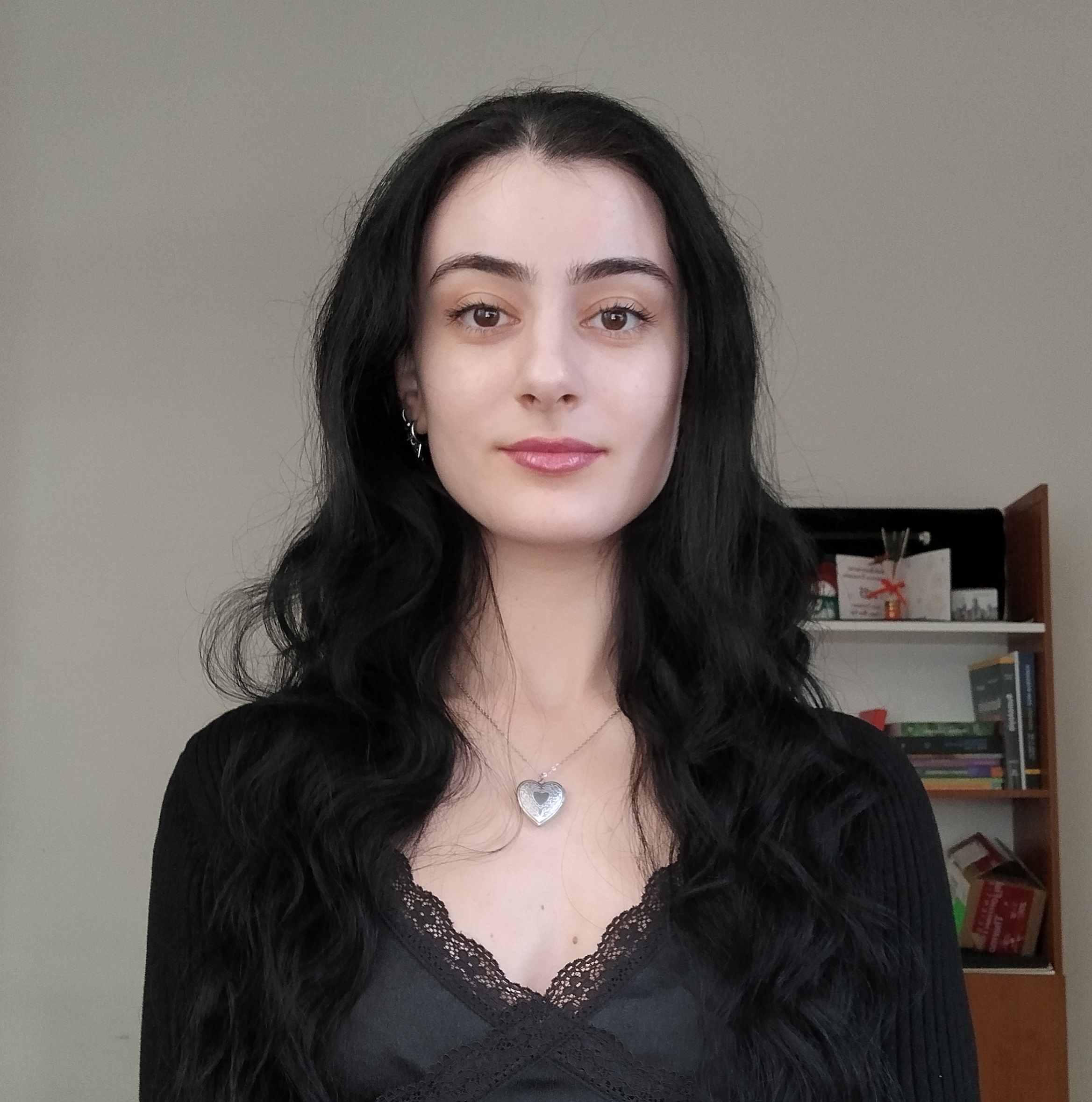
Avgi Tampaki
Undergraduate student
Avgi Tampaki is an undergraduate student studying in the Department of Biological Applications and Technologies at the University of Ioannina. Her undergraduate research focuses on biocompatible nanoparticles incorporating empagliflozin and their anti-inflammatory properties in human colon cancer cell lines.

Androniki Giannousa
Undergraduate student
Androniki Giannousa is an undergraduate student in the Department of Biological Applications and Technologies at the University of Ioannina. In 2025, she joined the Simos Lab to carry out her undergraduate thesis. In her undergraduate research she studies the biological activity of ulvan-based hydrogels enriched with oxidized hydroxytyrosol derivatives for biomedical applications in wound healing and as a potential therapeutic approach for colon cancer.
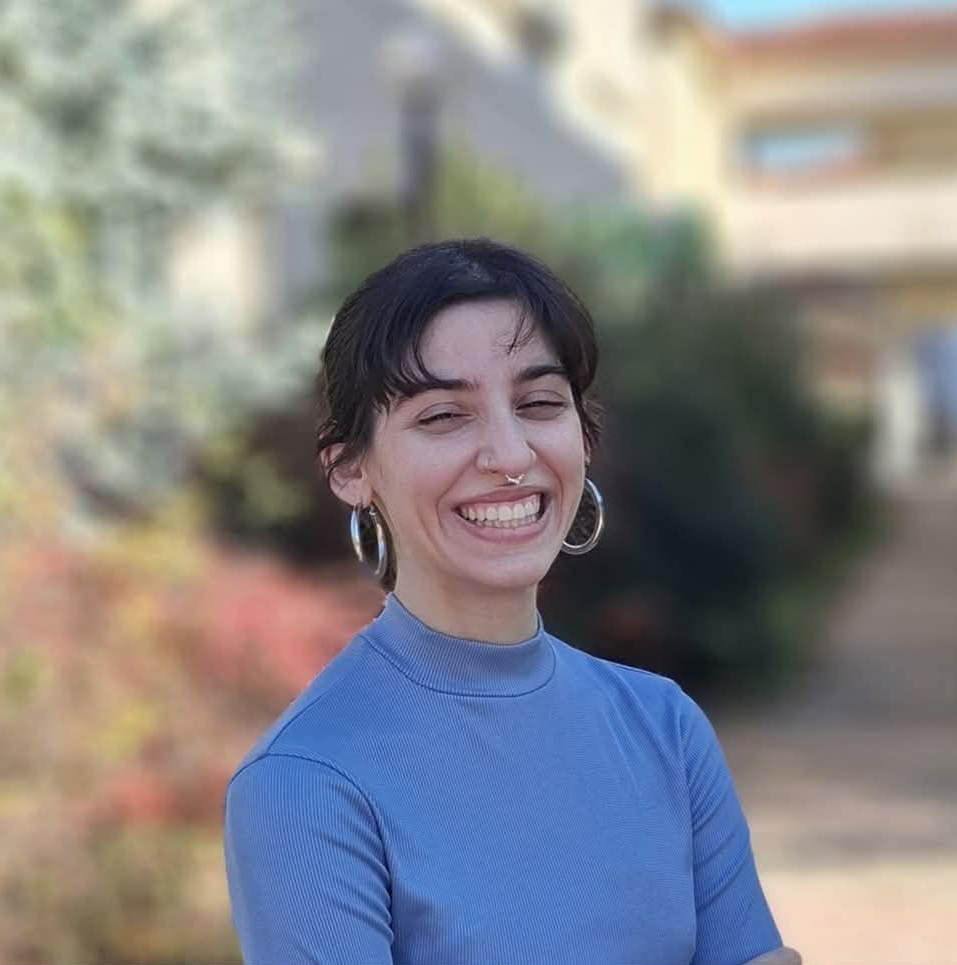
Antrea-Maria Athinodorou
PhD student
(supervised by Emeritus Professor Patra Vezyraki) Antrea Maria Athinodorou is a PhD student researching nanoparticles, with a particular focus on layered double hydroxides (LDHs) as carriers for the targeted transdermal delivery of anti-inflammatory compounds and the evaluation of their toxicity. She holds a Bachelor’s degree in Biological Applications & Technology from the University of Ioannina (2017–2022), where her thesis examined the biological role of carbon nanotubes as carriers of antioxidant molecules in embryonic cell cultures overexpressing human HSP70. She also earned a Master’s degree in Basic Biomedical Sciences (Applied Biomedicine) from the University of Ioannina (2022–2024),